The Best Exercises for Fat Loss (Spoiler: It's Not What You Think)
Published on September 20, 2025
The Best Exercises for Fat Loss (Spoiler: It's Not What You Think)
"What exercises burn the most fat?" I used to ask this constantly. I'd hunt for the magical fat-burning workout, the secret exercise that would melt pounds away. I spent hours on cardio machines, did HIIT until I wanted to die, and avoided weights because I thought they didn't burn enough calories.
I had it completely backwards.
The Uncomfortable Truth
Here it is: no exercise is particularly good for fat loss if your nutrition isn't in check.
Exercise burns relatively few calories compared to what you can easily eat:
- 30-minute run: ~300 calories
- 30-minute weight session: ~150-250 calories
- Large Starbucks drink: ~400 calories
- Two slices of pizza: ~500 calories
You cannot outrun a bad diet. The primary driver of fat loss is a caloric deficit from nutrition. Exercise is a supporting player, not the star.
The Real Question
Instead of "what burns the most calories," ask: "what exercise will help me look and feel best while losing fat?"
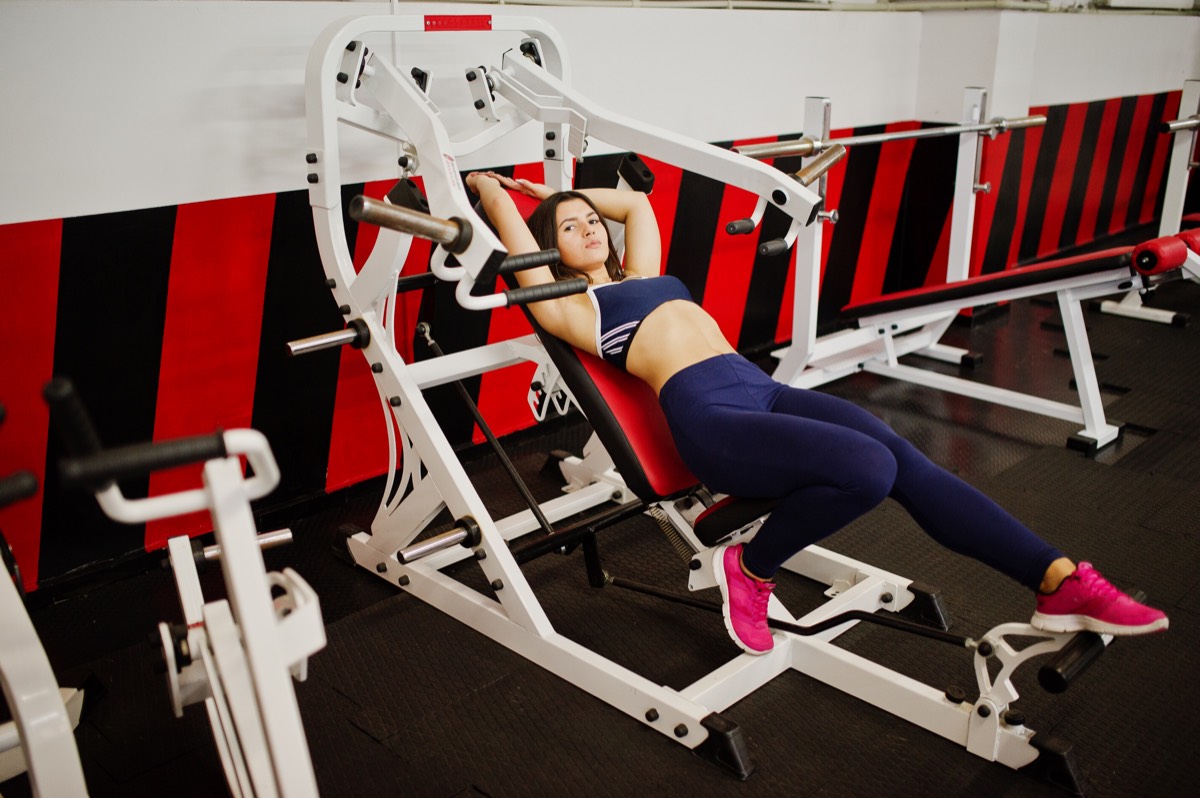
That answer is clear: resistance training.
Why Weight Training Wins
Preserves muscle:
In a caloric deficit, your body looks for energy wherever it can find it—including muscle tissue. Resistance training is the primary signal that tells your body "keep this muscle, we need it." Without lifting, you lose both fat and muscle, ending up "skinny fat."
Builds shape:
Cardio makes you smaller. Weight training shapes your body. If you want to look fit—not just thin—you need muscle.
Higher resting metabolism:
Muscle is metabolically active. More muscle = more calories burned at rest. Cardio doesn't provide this benefit.
Afterburn effect:
Intense weight training keeps your metabolism elevated for hours afterward (EPOC). Steady-state cardio doesn't do this to the same degree.
Functional benefits:
Strength makes daily life easier. Carrying groceries, playing with kids, staying independent as you age—all better with muscle.
Where Cardio Fits
Cardio isn't useless—it just shouldn't be the foundation of a fat loss exercise program.
Legitimate uses for cardio:
- Cardiovascular health (heart, lungs, blood pressure)
- Mental health and stress relief
- Additional calorie burn when needed
- Active recovery between lifting sessions
- You enjoy it
Problems with cardio-heavy approaches:
- Doesn't preserve muscle
- Creates excessive hunger in many people
- High injury risk with high volumes
- Boring for many, leading to poor adherence
- Teaches body to be efficient (burn fewer calories over time)
The Optimal Fat Loss Exercise Program
If I had to design the ideal fat loss workout plan:
Priority 1: Resistance training (3-4x per week)
- Full body or upper/lower split
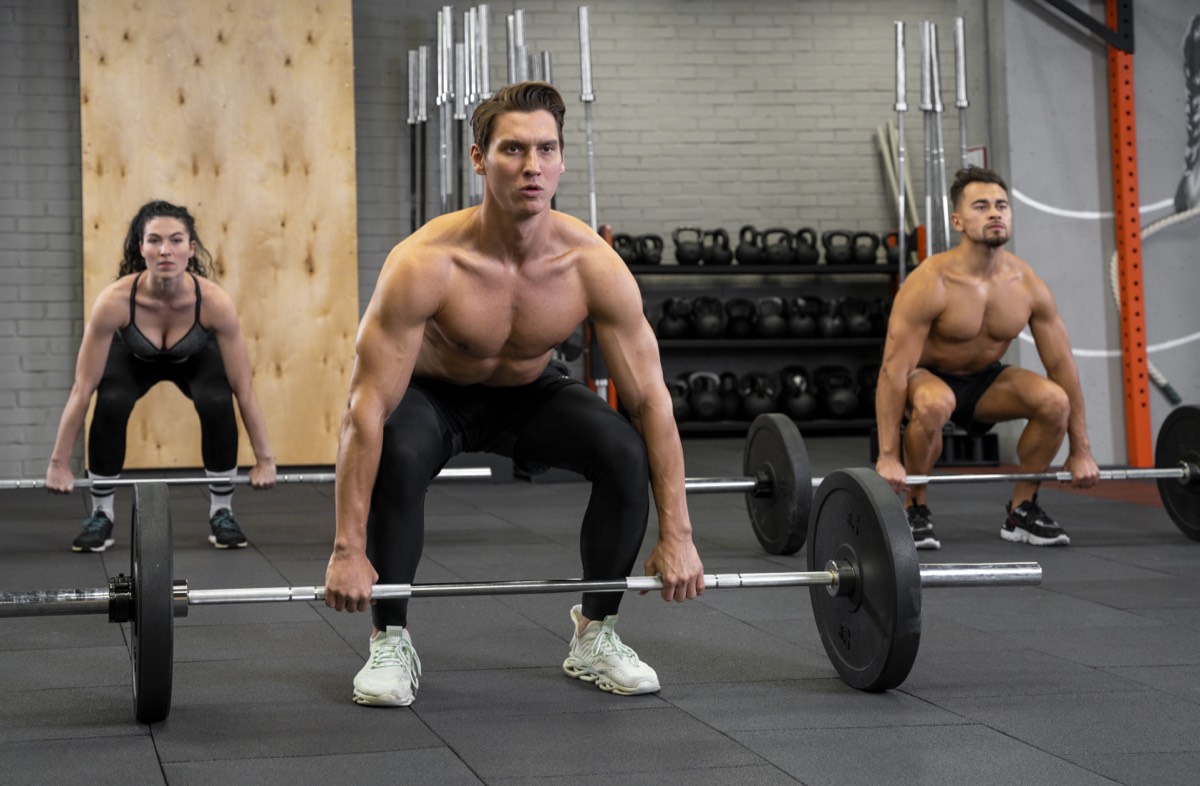
- Compound movements (squats, deadlifts, presses, rows)
- Progressive overload (gradually increase difficulty)
- Sufficient volume (10-20 sets per muscle per week)
Priority 2: Low-intensity movement (daily)
- Walking, bike riding, swimming
- Sustainable, doesn't spike hunger
- Burns calories without impairing recovery
Priority 3: High-intensity conditioning (optional, 1-2x per week)
- HIIT, sprints, circuits
- Efficient calorie burn
- Improve cardiovascular fitness
- Don't overdo it—recovery matters
HIIT: Overrated for Fat Loss?
HIIT (High-Intensity Interval Training) has been hyped as a fat-burning miracle. The research shows it's efficient—you can burn significant calories in less time—but it's not magic.
Pros of HIIT:
- Time-efficient
- Cardiovascular benefits
- Some afterburn effect
- Can be fun/engaging
Cons of HIIT:
- Extremely fatiguing
- Impairs recovery from weight training
- High injury risk if overdone
- Often increases appetite significantly
For most people, 1-2 HIIT sessions per week is plenty. More than that often backfires.
The Walking Revolution
Here's what nobody talks about: walking might be the best fat loss exercise.
Walking:
- Burns significant calories over time (250-300 cal/hour)
- Doesn't spike hunger
- Doesn't impair recovery
- Low injury risk
- Can be done daily
- Reduces stress (cortisol management)
- Requires no equipment or gym
Adding 30-60 minutes of walking daily can create a 200-300 calorie deficit with essentially no downside. That's 1,400-2,100 extra calories burned per week—without cutting any food.
My Fat Loss Exercise Setup
When I'm cutting:
- 4x per week: weight training (upper/lower split)
- Daily: 30-45 minute walk (often during podcast/calls)
- 1x per week: one HIIT or conditioning session
- Sports/activities: for fun, not calorie burn
Total exercise time: ~5-6 hours per week, manageable and sustainable.
The Muscle Preservation Hierarchy
When losing fat, exercise priorities should be:
- Lift weights (preserve muscle)
- Stay active throughout the day (NEAT)
- Add cardio if needed for additional deficit
Most people have this inverted—doing tons of cardio while avoiding weights. They end up thinner but not fitter, with worse body composition than when they started.
The Bottom Line
The best exercise for fat loss is resistance training—not because it burns the most calories, but because it preserves muscle, shapes your body, and boosts metabolism. Supplement with walking for sustainable calorie burn. Use HIIT sparingly. And remember: you can't out-exercise a bad diet. Get nutrition right first, then let exercise enhance your results.
Frequently Asked Questions
What is the best exercise for fat loss?
Should I do cardio or weights to lose fat?
How much exercise do I need to lose weight?
Medical Disclaimer
This content is for informational purposes only. Always consult a healthcare professional before starting any new exercise program.
Related Articles


Put This Knowledge Into Action
Download RoyalFit and get personalized workout plans that incorporate these training principles, tailored to your goals.
Download on App Store