Building Glutes: The Science-Based Approach to Growing Your Glutes
Published on February 12, 2025
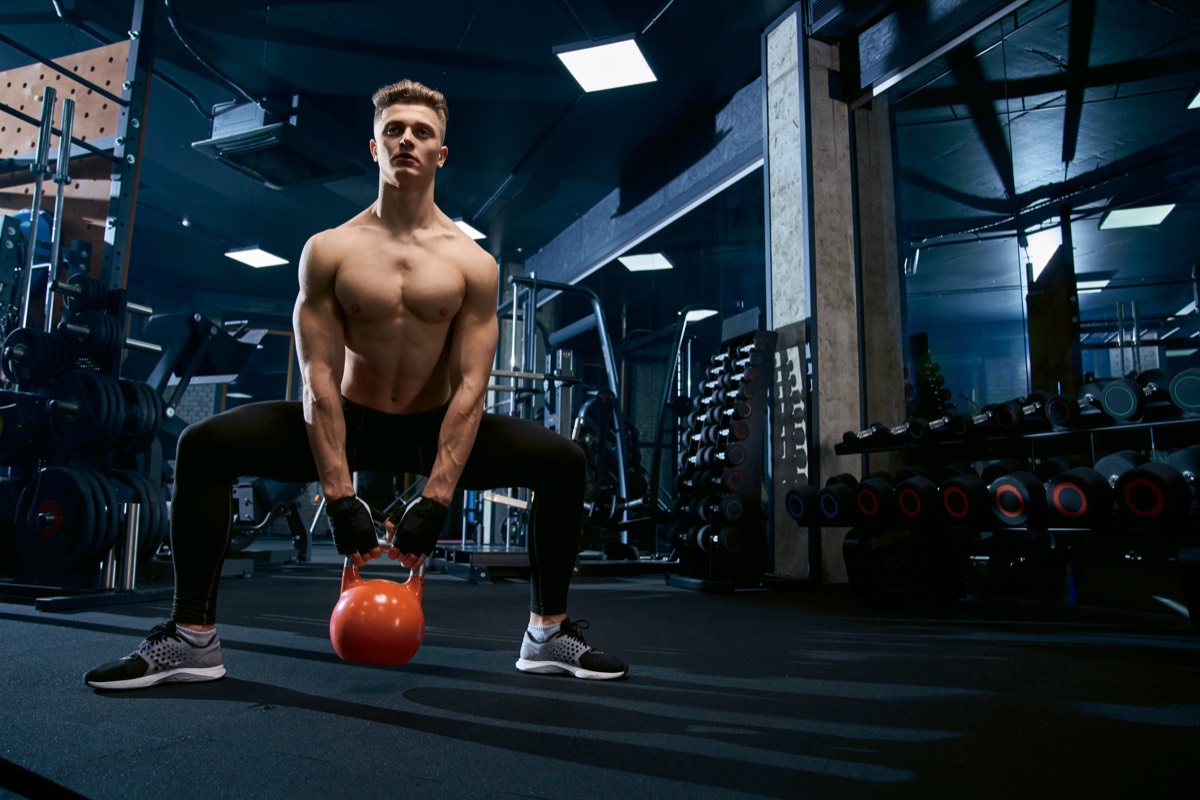
Building Glutes: The Science-Based Approach to Growing Your Glutes
The glutes are the largest muscle group in the body. They're also the muscle women most commonly want to develop. Unfortunately, there's a lot of misinformation about glute training.
Let's look at what the research actually says about building your glutes effectively.
Glute Anatomy 101
The "glutes" are actually three muscles:
Gluteus Maximus: The big one. Responsible for hip extension (standing up from a squat) and external rotation. This is what you're primarily targeting when you want bigger glutes.
Gluteus Medius: On the side of your hip. Responsible for hip abduction (moving leg away from midline) and stabilization.
Gluteus Minimus: Smaller, deep muscle. Similar function to medius.
For size, the gluteus maximus is the priority. But training all three creates complete development and prevents imbalances.
The Key Principles
1. Hip Extension Is King
The gluteus maximus is primarily a hip extensor. Exercises that involve powerful hip extension recruit it most:
- Hip thrusts
- Romanian deadlifts
- Squats (especially deep)
- Lunges
- Step-ups
Any movement where you're extending at the hip (standing up, thrusting hips forward) hits the glutes.
2. Progressive Overload
Like any muscle, glutes grow by being progressively challenged. You must:
- Add weight over time
- Add reps or sets
- Increase training frequency
Doing 50 bodyweight glute bridges forever won't build glutes. Progressive resistance is required.
3. Sufficient Volume
Research suggests 10-20+ sets per muscle per week for optimal growth. For a priority muscle like glutes, aim for the higher end:
- 12-20 sets per week
- Spread across 2-3 sessions
- Variety of exercises
4. Mind-Muscle Connection
Feeling your glutes work during exercises improves activation. Many people are "quad dominant" and don't properly engage glutes during squats and lunges.
Tips for better glute activation:
- Squeeze glutes hard at the top of hip thrusts
- Push through heels
- Think about driving hips forward
- Warm up glutes before heavy work
The Best Glute Exercises (Research-Backed)
Tier 1: Highest Glute Activation
Hip Thrust:
Research by Bret Contreras shows hip thrusts produce the highest gluteus maximus activation of any exercise. They allow heavy loading with direct glute focus.
Romanian Deadlift:
Heavy hip hinge with stretch at the bottom. Excellent for glute/hamstring development.
Bulgarian Split Squat:
Single-leg work with great glute stretch and activation. Also improves balance and addresses imbalances.
Tier 2: Excellent Glute Builders
Barbell Squat (deep):
Squatting to parallel or below increases glute involvement. Half squats are more quad-dominant.
Deadlift (conventional or sumo):
Heavy hip extension. Sumo stance may emphasize glutes slightly more.
Walking Lunges:
Dynamic movement with glute stretch at bottom.
Step-Ups:
Single-leg hip extension with adjustable difficulty.
Tier 3: Accessory Work
Glute Bridge:
Lower-load version of hip thrust. Good for activation and higher reps.
Cable Kickbacks:
Isolation work. Lower weight, higher reps, feel the squeeze.
Abductions (machine or band):
Target gluteus medius. Important for complete development.
Frog Pumps:
Good activation exercise and warmup.
Sample Glute-Focused Program
Day 1 (Heavy):
- Barbell Hip Thrust: 4×6-8
- Romanian Deadlift: 4×8-10
- Bulgarian Split Squat: 3×10 each leg
- Cable Kickback: 3×12-15 each leg
Day 2 (Moderate):
- Barbell Squat: 4×8-10
- Barbell Hip Thrust: 3×10-12
- Walking Lunges: 3×12 each leg
- Glute Bridge: 3×15-20
Day 3 (Activation/Volume):
- Sumo Deadlift: 4×8
- Single-Leg Hip Thrust: 3×12 each leg
- Step-Ups: 3×10 each leg
- Banded Abduction: 3×20
- Frog Pumps: 3×30
Total weekly volume: 18-24 sets targeting glutes
Common Mistakes
Not going heavy enough:
Glutes are strong. They need heavy weights to grow. Light band work alone won't build size.
Neglecting hip thrusts:
If you want bigger glutes, hip thrusts should be a staple. They're the highest activation exercise.
Only doing squats:
Squats are great but quad-dominant for many people. Include hip-dominant exercises (hip thrust, RDL) for complete glute development.
Skipping the warm-up:
Glute activation drills before heavy work improve mind-muscle connection and performance.
Inconsistent training:
Glutes grow like any muscle—through consistent progressive overload over months, not weeks.
Nutrition for Glute Growth
To build any muscle, you need:
- Adequate protein (0.8-1g per pound bodyweight)
- Slight caloric surplus (or maintenance if new to lifting)
- Consistency over months
You cannot target fat loss from your glutes. If you want a bigger butt, you need to build the muscle—which requires adequate nutrition.
Realistic Expectations
Timeline:
- 3 months: Noticeable improvement in shape and strength
- 6 months: Significant visual change
- 1-2 years: Major transformation possible
Genetics matter:
Glute growth potential varies. Some women build glutes more easily than others. Train hard regardless—everyone can improve.
The Bottom Line
Building glutes requires progressive resistance training focused on hip extension exercises. Hip thrusts are the single best exercise. Include variety (squats, RDLs, lunges, isolation work), train glutes 2-3x per week with 12-20+ weekly sets, and progressively add weight over time. Combined with adequate protein and consistency, significant glute development is achievable for any woman.
Frequently Asked Questions
What is the best exercise for glutes?
How often should I train glutes?
Can I grow glutes without gaining weight?
Medical Disclaimer
This content is for informational purposes only. Always consult a healthcare professional before starting any new exercise program.
Related Articles

Put This Knowledge Into Action
Download RoyalFit and get personalized workout plans that incorporate these training principles, tailored to your goals.
Download on App Store