Cardio Without Running: Low-Impact Alternatives That Work
Published on August 22, 2025
Cardio Without Running: Low-Impact Alternatives That Work
Not everyone can run. Bad knees, hip problems, excess weight, or simply hating it—there are plenty of reasons to look for alternatives. Good news: running is not the only way to do cardio. In fact, it's not even the best way for many people.
I spent years thinking I had to run to be fit. Then I discovered that low-impact cardio could deliver the same benefits without the joint pain. Here are your options.
Why Some People Can't or Shouldn't Run
Joint issues: Running puts 2-3x your bodyweight through your joints with each stride. For people with arthritis, past injuries, or joint problems, this can cause pain or further damage.
Excess weight: Higher body weight increases impact stress. Starting cardio with lower-impact options is smarter until some weight comes off.
Preference: Some people just hate running. And if you hate it, you won't do it consistently.
Injury prevention: Runners face high injury rates. Low-impact alternatives can provide similar benefits with lower risk.
Low-Impact Cardio Options
Walking (Incline)
The underrated champion.
Walking, especially with incline, provides excellent cardiovascular benefits:
- Burns significant calories (250-350/hour)
- Zero impact issues
- Can be done daily
- Doesn't increase appetite like intense cardio
- Perfect Zone 2 activity
How to make it challenging:
- Incline walking on treadmill (10-15% grade)
- Weighted vest (10-20 lbs)
- Brisk pace with purpose
- Longer duration (45-60+ min)
Cycling (Stationary or Outdoor)
One of the best running alternatives.
Benefits:
- Non-weight bearing
- Easy to control intensity
- Low injury risk
- Can do HIIT or steady state
- Works legs without heavy loading
Options:
- Spin classes
- Stationary bike (upright or recumbent)
- Outdoor cycling
- Peloton-style programs
Cycling is particularly good for lifters—it doesn't beat up your legs the way running does.
Swimming
Total body, zero impact.
Benefits:
- No weight on joints
- Works upper and lower body
- Cooling effect (great for hot climates)
- Meditative quality for many
Challenges:
- Requires pool access
- Requires basic technique
- Less convenient than other options
Swimming is ideal for people with joint issues, arthritis, or carrying extra weight.
Rowing Machine
Full-body conditioning.
Benefits:
- Works 86% of muscles
- Low impact (no pounding)
- Scalable intensity
- Builds back and legs
Rowing is my favorite gym cardio option. It's challenging but doesn't stress joints like running.
Elliptical
Low-impact alternative to running.
Benefits:
- Running motion without impact
- Upper body involvement
- Reversible direction (varies muscles)
- Common in gyms
Some people find the elliptical boring. Using interval programs or entertainment helps.
Stair Climbing (Machine)
Challenging but joint-friendly.
Benefits:
- Excellent glute and leg work
- High calorie burn
- Lower impact than running
- Mimics real-world function
The stair climber is harder than it looks. Start with short sessions.
Aqua Aerobics/Pool Running
For serious joint protection.
Water supports body weight while providing resistance. Pool running lets you practice running form without impact.
Ideal for:
- Rehab from injuries
- Severe joint issues
- Very overweight individuals
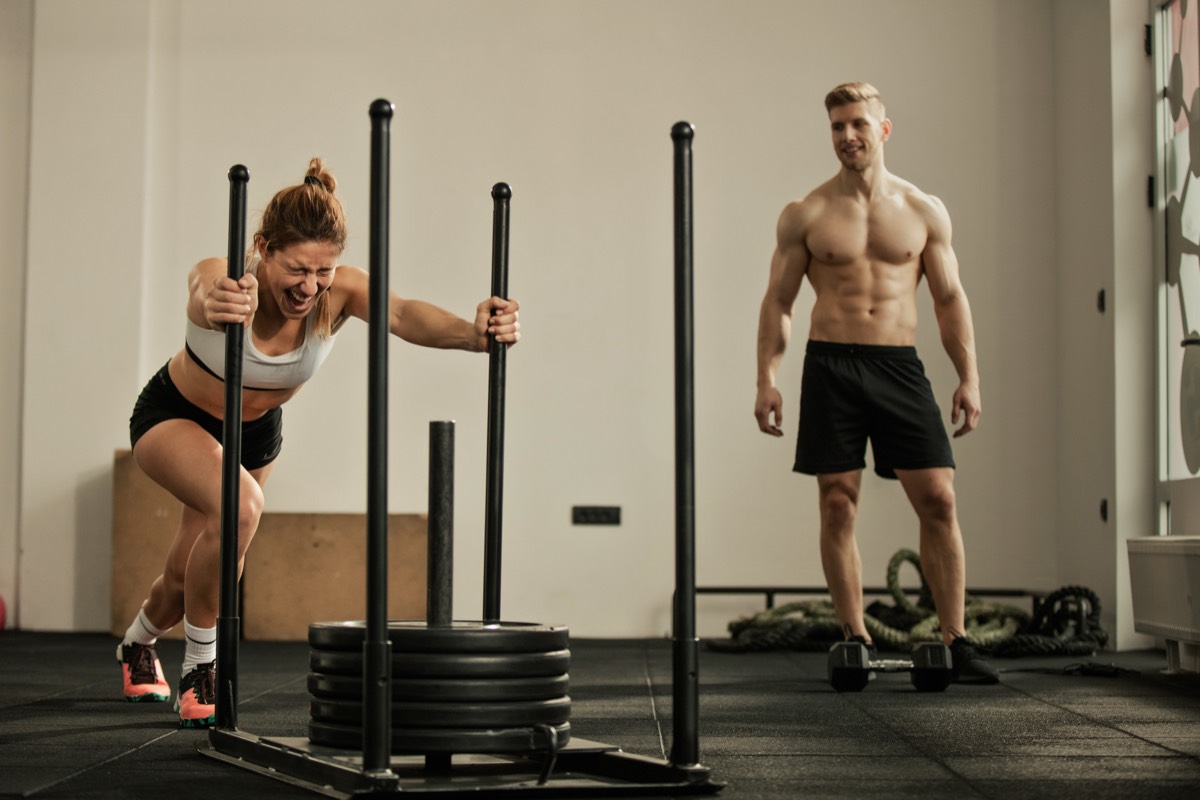
Battle Ropes
HIIT without running.
Short bursts of battle rope work provide intense cardiovascular challenge without impact:
- 30 seconds work, 30 seconds rest
- 10-15 rounds
- Full body engagement
Great for variety and conditioning days.
Creating a Running-Free Cardio Program
Sample weekly schedule:
- Monday: Lifting
- Tuesday: 30-40 min incline walking
- Wednesday: Lifting
- Thursday: 20-30 min cycling (intervals)
- Friday: Lifting
- Saturday: 45-60 min outdoor walk or bike ride
- Sunday: Rest or light swimming
Total cardio: ~2.5-3 hours, no running required.
Intensity Considerations
Low-impact doesn't mean low-intensity. You can do HIIT on:
- Stationary bike
- Rowing machine
- Elliptical
- Battle ropes
- Swimming
If you want the benefits of high-intensity training without running, these options deliver.
Which Alternative Is Best?
For general fitness: Cycling or elliptical (accessible, scalable)
For joint issues: Swimming or pool activities (zero impact)
For fat loss: Incline walking (sustainable volume, doesn't spike hunger)
For lifters: Cycling or rowing (complements strength training)
For limited equipment: Walking (no equipment needed)
The best choice is whatever you'll actually do consistently.
My Non-Running Cardio Stack
Currently:
- 3-4x per week: 30-45 min incline walking (12-15% grade)
- 1x per week: 20-min bike intervals
- Occasionally: 30-min rowing session
Total: ~3 hours of cardio, zero running, healthy joints.
The Bottom Line
Running is not required for cardiovascular fitness or fat loss. Walking, cycling, rowing, swimming, and elliptical work just as well with less joint stress. Choose activities you enjoy and can do consistently. Low-impact cardio can provide all the benefits of running for people who can't or don't want to run.
Frequently Asked Questions
What is the best cardio if I can't run?
Can I lose weight without running?
Is walking enough cardio?
Medical Disclaimer
This content is for informational purposes only. Always consult a healthcare professional before starting any new exercise program.
Related Articles


Put This Knowledge Into Action
Download RoyalFit and get personalized workout plans that incorporate these training principles, tailored to your goals.
Download on App Store