Kettlebell Training: The Complete Guide for Beginners
Published on January 25, 2025
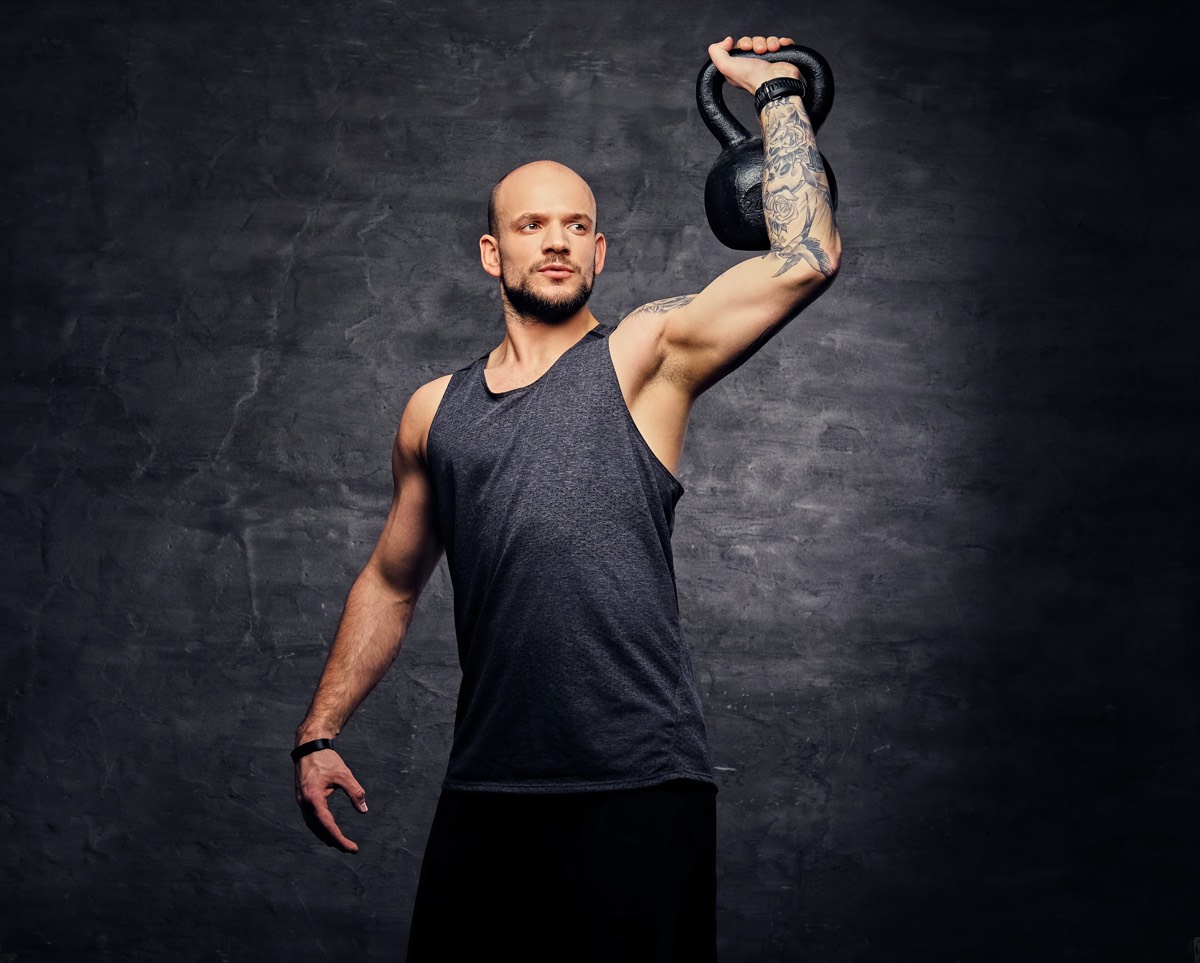
Kettlebell Training: The Complete Guide for Beginners
The kettlebell sat in the corner of my gym for months before I touched it. I didn't understand why anyone would use this awkward cannonball with a handle when we had perfectly good dumbbells. Then I learned to swing, and everything clicked.
Kettlebells aren't just weirdly shaped weights—they're designed for a style of training that builds power, conditioning, and work capacity unlike any other tool. Once you learn the basics, you might find yourself reaching for kettlebells more than anything else.
What Makes Kettlebells Different
The Offset Center of Gravity
Unlike dumbbells where weight is evenly distributed, kettlebells have a center of mass below the handle. This:
- Creates momentum in ballistic movements
- Challenges grip and forearm strength
- Makes certain exercises (like swings) possible
- Engages stabilizers differently than dumbbells
Ballistic vs. Grind Exercises
Kettlebell training divides into two categories:
Ballistic (explosive)
- Swings, cleans, snatches
- Powered by hip hinge
- Build power and conditioning
Grinds (slow and controlled)
- Presses, squats, carries
- Similar to dumbbell equivalents
- Build strength and muscle
Both categories should be part of your training.
Choosing Your First Kettlebell
Weight Recommendations
For general fitness beginners:
- Women: Start with 8-12 kg (18-26 lbs)
- Men: Start with 12-16 kg (26-35 lbs)
For those with strength training experience:
- Women: Start with 12-16 kg (26-35 lbs)
- Men: Start with 16-24 kg (35-53 lbs)
When in doubt, go lighter. You can always progress.
Quality Matters
Cheap kettlebells have:
- Rough handles that tear hands
- Inconsistent weights
- Poorly welded handles
Invest in quality competition-style or cast iron kettlebells from reputable brands. They last forever.
The Kettlebell Swing: Foundation of Everything
If you only learn one kettlebell movement, make it the swing. It teaches the hip hinge, develops posterior chain power, and provides incredible conditioning.
Russian Swing vs. American Swing
- Russian: Swing to chest/shoulder height
- American: Swing overhead
I recommend Russian swings for most people. They're safer, allow more power generation, and work the same muscles effectively.
How to Swing
Setup:
- Kettlebell about 1 foot in front of you
- Feet shoulder-width apart, toes slightly out
- Hip hinge and grip the handle with both hands
- Shoulders back, core braced
- Tip the kettlebell toward you to create initial momentum
The Hike:
- Hike the kettlebell back between your legs
- Keep arms connected to body, forearms touching inner thighs
- Create a loaded stretch in your hamstrings
The Swing:
- Drive hips forward explosively (think: hip snap)
- Arms stay relaxed—they're just cables
- Squeeze glutes hard at the top
- Let gravity bring the kettlebell down
- Hinge at hips as it approaches, absorbing into the next rep
Common Swing Errors
Using arms to lift: The swing is a hip movement. Arms are passive.
Squatting the swing: It's a hip hinge, not a squat. Minimal knee bend.
Leaning back at top: Stand tall with a vertical torso, don't hyperextend.
Not bracing core: Treat each rep like a plank. Core stays tight.
Essential Kettlebell Exercises
Goblet Squat
Hold kettlebell at chest, both hands on sides of the handle. Squat between your legs. Excellent for learning squat patterns.
Turkish Get-Up
The most complex kettlebell movement. Lying to standing while holding kettlebell overhead. Builds total body stability and strength. Learn each phase separately.
Kettlebell Clean
Swing the kettlebell up and "catch" it in the rack position (forearm vertical, kettlebell resting between chest and shoulder). Foundation for pressing.
Kettlebell Press
From the rack position, press the kettlebell overhead. Similar to dumbbell press but the offset load creates different stabilization demands.
Kettlebell Row
Hip hinge position, row kettlebell to hip. The handle position allows excellent range of motion.
Farmer's Carry
Simply carry heavy kettlebells at your sides and walk. Builds grip, core stability, and mental toughness.
Goblet Reverse Lunge
Hold kettlebell at chest, step back into lunge. Excellent for single-leg strength.
Dead Clean
Clean from a dead stop on the floor each rep. Eliminates momentum, builds starting strength.
Sample Beginner Program
Week 1-4: Learn the Movements
Day 1:
- Goblet squats: 3 x 10
- Kettlebell rows: 3 x 10 each arm
- Dead bugs: 3 x 10 each side
Day 2:
- Swing practice: 5 x 10 (focus on form, not intensity)
- Goblet reverse lunges: 3 x 8 each leg
- Farmer's carries: 3 x 30 seconds
Day 3:
- Goblet squats: 3 x 12
- Kettlebell press: 3 x 8 each arm
- Swings: 5 x 10
Week 5-8: Add Volume
Increase swing sets to 6-8 per session. Add Turkish get-up practice (bodyweight first). Increase weights where possible.
Kettlebell Conditioning Workouts
Once you've mastered the swing, these protocols are brutally effective:
Simple & Sinister (Pavel Tsatsouline)
- 100 one-hand swings (10 x 10, switching hands each set)
- 10 Turkish get-ups (5 each side)
- Can be done daily
- Takes 20-30 minutes
Tabata Swings
- 20 seconds swings, 10 seconds rest
- 8 rounds (4 minutes total)
- Cardiovascular devastation
EMOM (Every Minute on the Minute)
- Set timer for 10-20 minutes
- At the start of each minute: 10-15 swings
- Rest the remainder of the minute
- Scale reps to your ability
The 10,000 Swing Challenge
- 500 swings per session
- 4 sessions per week
- Complete in 4 weeks
- Mixed with goblet squats and presses
This is advanced. Don't attempt until you have months of solid swing practice.
Safety Tips
Protect Your Lower Back
- Master the hip hinge before loading it
- Keep core braced throughout movements
- Don't hyperextend at top of swings
- Start lighter than you think necessary
Protect Your Hands
- Learn proper grip (fingers, not palms)
- Use chalk if needed
- Care for calluses (file down, moisturize)
- Tape hands if necessary
Control the Weight
- Never let a ballistic movement turn into an uncontrolled arc
- Practice safe bail-outs before needing them
- Clear your training space of obstacles
Know Your Fatigue Limit
- Form breaks down when fatigued
- Better to stop a set early than get injured
- Conditioning builds over time
Equipment Setup
What You Need to Start
- 1 kettlebell (appropriate weight)
- Clear space (at least 6x6 feet)
- Flat, stable surface
Nice to Have
- Chalk or liquid chalk
- Kettlebell training shoes (flat soles) or barefoot
- Timer for conditioning work
- Additional kettlebells as you progress
The Bottom Line
Kettlebells offer something unique in the fitness world: a tool that builds strength, power, and conditioning simultaneously. The learning curve is steeper than dumbbells, but the payoff is worth it.
Start with the swing. Practice it relentlessly until it feels natural. Add goblet squats and presses. Progress to cleans and eventually Turkish get-ups. In six months, you'll have a skill set that translates to any athletic endeavor.
Don't rush the process. The kettlebell rewards patience and punishes ego. Learn it right, and it becomes one of the most versatile tools in your training arsenal.
Frequently Asked Questions
What size kettlebell should a beginner start with?
What's the difference between kettlebell swings and deadlifts?
How often should I train with kettlebells?
Medical Disclaimer
This content is for informational purposes only. Always consult a healthcare professional before starting any new exercise program.
Related Articles
Put This Knowledge Into Action
Download RoyalFit and get personalized workout plans that incorporate these training principles, tailored to your goals.
Download on App Store