How to Track Weight Loss Progress Beyond the Scale
Published on November 5, 2025
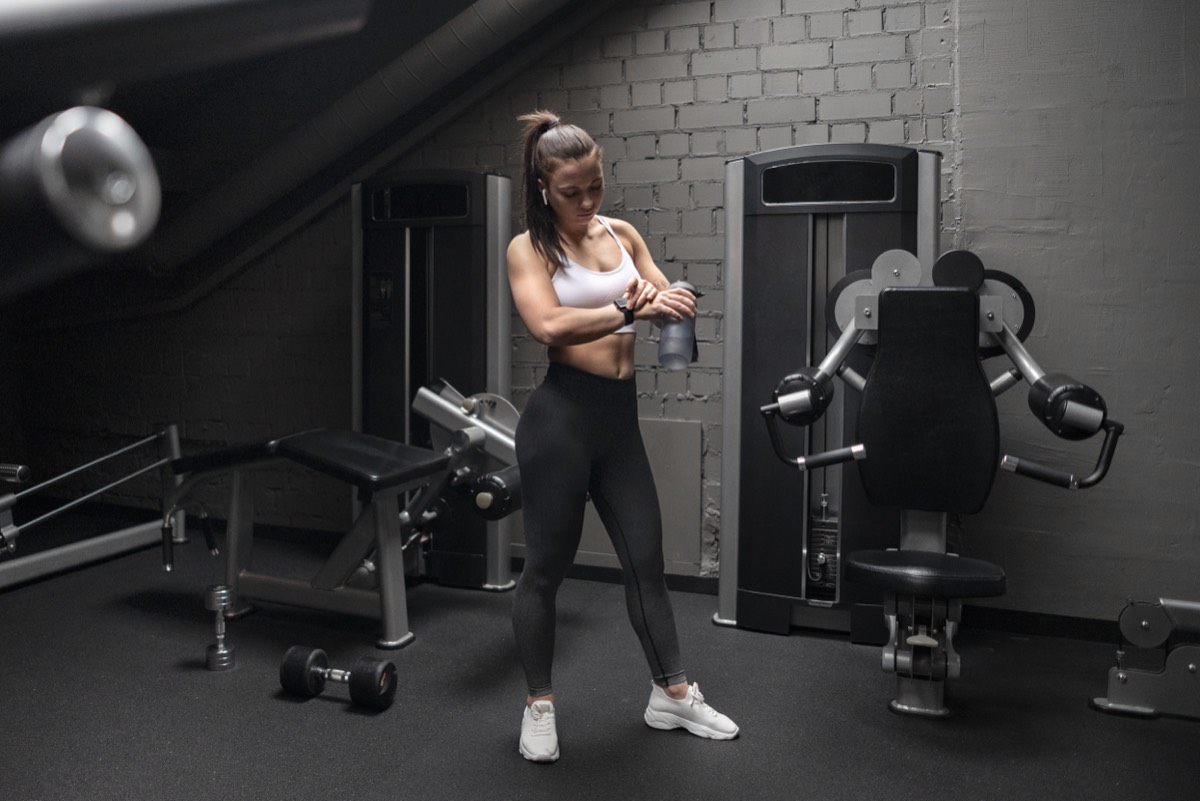
How to Track Weight Loss Progress Beyond the Scale
The scale said I weighed the same as last week. I felt defeated. Then I looked at my progress photos side by side—and I looked noticeably leaner. The scale had lied (or at least told an incomplete truth) once again.
Relying solely on the scale is one of the biggest mistakes in fat loss. Here's how to actually track progress and stay motivated even when the scale isn't moving.
The Scale Problem
Your weight fluctuates by 2-5 pounds daily based on:
- Water retention
- Food in your stomach
- Hormonal cycles
- Sodium intake
- Bowel movements
- Stress levels
The scale measures all of these things—not just fat. Stepping on the scale daily without context is a recipe for frustration.
A Multi-Metric Approach
Instead of relying on one flawed metric, track progress through multiple lenses:
1. Scale Weight (Used Correctly)
The scale isn't useless—it's just one data point that needs context.
How to use it:
- Weigh daily, same conditions (morning, after bathroom, before eating)
- Track the weekly average, not individual days
- Compare weekly averages over time
Example:
Week 1 average: 184.6 lbs
Week 2 average: 183.2 lbs
Week 3 average: 182.8 lbs
The trend is what matters, not the daily number.
2. Body Measurements
Measurements reveal what the scale can't:
Key measurements:
- Waist (most important for fat loss)
- Hips
- Chest
- Thighs
- Arms
How to measure:
- Same time of day (morning is best)
- Same tape tension
- Same location (use landmarks like belly button)
- Measure weekly or bi-weekly
If your waist is shrinking while other measurements stay stable, you're losing fat—regardless of what the scale says.
3. Progress Photos
Photos are the most objective visual record.
How to take them:
- Same lighting (this is crucial)
- Same poses (front, side, back)
- Same time of day
- Same clothing (or minimal clothing)
- Every 2-4 weeks
Compare photos over 4-8 week spans. Daily/weekly changes are hard to see; monthly changes are obvious.
4. How Clothes Fit
Real-world feedback that's hard to argue with.
Track:
- Do pants fit looser?
- Is the belt going in a notch?
- Are shirts fitting better?
This is less precise than measurements but highly motivating.
5. Gym Performance
If you're maintaining or increasing strength while losing weight, you're preserving muscle. This is extremely important.
Track:
- Key lifts (squat, bench, deadlift, row)
- Reps at given weights
- Overall workout quality
Strength declining significantly may indicate muscle loss or too aggressive a deficit.
6. Energy and Recovery
Qualitative but important:
- How's your energy throughout the day?
- How well are you sleeping?
- How's workout recovery?
- Mood and mental clarity?
These indicators tell you if your approach is sustainable.
7. Body Fat Percentage
Direct measurement of what you actually care about.
Options:
- DEXA scan: Gold standard, expensive ($75-150)
- Bod Pod: Very accurate, less available
- Calipers: Good for tracking trends, requires consistent technique
- Navy method: Waist/neck/height formula, free, reasonably accurate
- Bioelectrical impedance: Cheap, but varies by hydration
Even imperfect methods are useful for tracking trends over time.
Building Your Tracking System
Here's a practical system:
Daily:
- Morning weigh-in (log it)
Weekly:
- Calculate weight average
- Take measurements (waist minimum)
- Log gym performance
Bi-weekly or monthly:
- Progress photos
- Assess how clothes fit
- Body fat check (if available)
- Overall energy/recovery assessment
When the Scale Stalls
If the scale isn't moving but:
- Measurements are improving ✓
- Photos look better ✓
- Clothes fit looser ✓
- Strength is maintained ✓
You're still making progress. The scale is being masked by water retention, muscle gain, or normal fluctuation.
If the scale isn't moving AND:
- Measurements aren't changing ✗
- Photos look the same ✗
- Clothes fit the same ✗
Then you may have a legitimate plateau that needs addressing.
The Mental Game
Multiple metrics protect your mental health:
With scale only:
Scale up 2 lbs → "I'm failing, this isn't working, might as well eat whatever"
With multiple metrics:
Scale up 2 lbs, but waist down 0.5 inches and photos look better → "Probably water retention, still making progress, keep going"
The complete picture keeps you motivated through normal fluctuations.
My Tracking Protocol
What I actually do:
- Daily: Morning scale (takes 10 seconds)
- Weekly: Calculate average, log in spreadsheet (2 minutes)
- Bi-weekly: Measurements, progress photos (5 minutes)
- Monthly: Overall assessment, adjust plan if needed
Total time investment: less than 20 minutes per month. Worth it for the clarity and motivation.
The Bottom Line
Stop using the scale as your only progress indicator. Combine weekly weight averages with measurements, progress photos, how clothes fit, and gym performance. This complete picture gives you accurate feedback and protects your motivation when the scale inevitably fluctuates. Fat loss progress is multi-dimensional—track it that way.
Frequently Asked Questions
Why isn't the scale moving but I look thinner?
How often should I weigh myself?
What measurements should I track for weight loss?
Medical Disclaimer
This content is for informational purposes only. Always consult a healthcare professional before starting any new exercise program.
Related Articles



Put This Knowledge Into Action
Download RoyalFit and get personalized workout plans that incorporate these training principles, tailored to your goals.
Download on App Store