Exercise During Pregnancy: Safe Guidelines for Active Moms-to-Be
Published on September 2, 2025
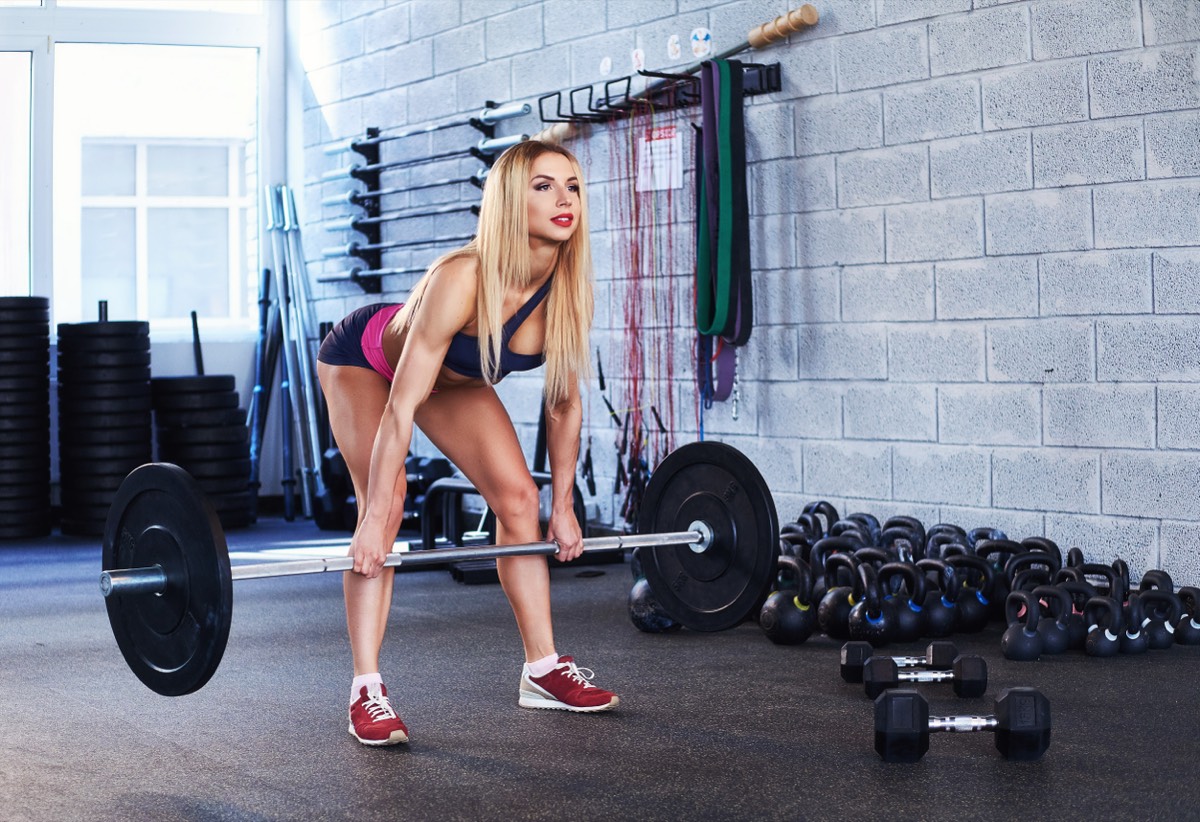
Exercise During Pregnancy: Safe Guidelines for Active Moms-to-Be
Being pregnant doesn't mean stopping exercise. In fact, staying active during pregnancy benefits both you and your baby. But the approach needs to change.
Here's what you need to know about exercising safely during pregnancy.
The Benefits of Exercising During Pregnancy
Research consistently shows that appropriate exercise during pregnancy:
- Reduces risk of gestational diabetes
- Reduces risk of preeclampsia
- Helps manage healthy weight gain
- Reduces back pain
- Improves mood and energy
- May lead to easier delivery
- Faster postpartum recovery
- No increased risk of miscarriage or preterm birth (in healthy pregnancies)
Who Can Exercise?
Most pregnant women can and should exercise. Unless your healthcare provider advises otherwise due to:
- High-risk pregnancy
- Placenta previa
- Severe anemia
- Preeclampsia
- Cervical insufficiency
- Other medical conditions
Always: Get clearance from your healthcare provider, especially if you have any complications or weren't exercising before pregnancy.
General Guidelines by Trimester
First Trimester (Weeks 1-12)
What's happening: Baby is developing. You may feel fatigue, nausea, and breast tenderness.
Exercise approach:
- Continue your pre-pregnancy routine (with modifications as needed)
- Reduce intensity if fatigue is severe
- Stay hydrated
- Listen to your body
Modifications:
- Decrease intensity if nausea is triggered by exercise
- Rest when you need to
- First trimester is typically similar to pre-pregnancy training
Second Trimester (Weeks 13-27)
What's happening: Energy often returns. Belly is growing. Center of gravity shifts.
Exercise approach:
- Often the easiest time to exercise
- Modify exercises as belly grows
- Begin avoiding lying flat on back for extended periods after week 20
Modifications:
- Incline instead of flat bench
- Modified planks and core work
- Wider stance for squats
- Balance may be affected
Third Trimester (Weeks 28-40)
What's happening: Belly is large. Joints are looser. Energy may decrease.
Exercise approach:
- Continue modified exercise as comfortable
- Focus on maintenance, not progression
- Prepare body for delivery
- Reduce intensity as needed
Modifications:
- Further reduce intensity
- Shorter sessions may be more comfortable
- Focus on mobility and gentle strength
- Walking and swimming often feel best
Safe Exercises During Pregnancy
Strength training:
- Modified with appropriate exercises
- Avoid lying flat after 20 weeks
- Don't lift to absolute failure
- Stay hydrated and cool
Walking:
- Safe throughout pregnancy
- Easy to modify intensity
- Low impact
Swimming and water aerobics:
- Low impact, supports weight
- Cooling effect
- Excellent for third trimester
Stationary cycling:
- Safe, low impact
- Easy to control intensity
- Reduced fall risk
Yoga (prenatal):
- Builds strength and flexibility
- Emphasizes breathing
- Choose prenatal-specific classes
Elliptical:
- Low impact
- Controlled movement
Exercises to Avoid
Contact sports: Soccer, basketball, martial arts—risk of impact to abdomen
Activities with fall risk: Skiing, horseback riding, climbing
Scuba diving: Risk to fetus from pressure changes
Hot yoga/exercise in hot environments: Risk of overheating
Lying flat on back (after week 20): Can compress blood vessels
High altitude exercise (if not accustomed): Reduced oxygen availability
Sample Pregnancy Strength Workout
Trimester 2-3 appropriate:
- Goblet Squat: 3×10-12
- Incline Dumbbell Press: 3×10-12
- Seated Cable Row: 3×10-12
- Modified Side Plank: 3×10-15 sec each side
- Hip Thrust: 3×12-15
- Bird Dog: 3×8 each side
- Walking: 15-20 minutes
Notes:
- Rest as needed between sets
- Stop if dizzy, contracting, or uncomfortable
- Stay cool and hydrated
Warning Signs to Stop Exercise
Stop exercising and contact your provider if:
- Vaginal bleeding
- Dizziness or feeling faint
- Headache
- Chest pain
- Calf pain or swelling
- Regular painful contractions
- Fluid leaking from vagina
- Decreased fetal movement (later pregnancy)
Common Questions
Can I start exercising if I wasn't active before pregnancy?
Yes, but start slowly. Walking is a great starting point. Build gradually. Get cleared by your provider.
How intense should exercise be?
You should be able to hold a conversation. The "talk test"—if you can't talk, you're working too hard. Heart rate guidelines are less useful during pregnancy.
Is it safe to lift weights?
Yes, with appropriate modifications. Avoid heavy maximum lifts, lying flat after 20 weeks, and exercises with fall risk. Maintain good form and don't hold your breath.
Will exercise cause miscarriage?
No. Research shows appropriate exercise does not increase miscarriage risk in healthy pregnancies. Exercise is encouraged for most pregnant women.
Core and Pelvic Floor During Pregnancy
Core work:
- Avoid crunches and sit-ups
- Modified planks and bird dogs are better choices
- Watch for "coning" of abs during exertion
Pelvic floor:
- Kegel exercises throughout pregnancy
- Proper breathing techniques
- These muscles will be tested during delivery
The Bottom Line
Exercise during pregnancy is safe and beneficial for most women. Modify intensity and exercises as pregnancy progresses, avoid high-risk activities, and listen to your body. Get clearance from your healthcare provider and communicate about your activity level. Staying active during pregnancy supports your health, may ease delivery, and speeds postpartum recovery.
Frequently Asked Questions
Is it safe to exercise during pregnancy?
Can I lift weights while pregnant?
How intense should exercise be during pregnancy?
Medical Disclaimer
This content is for informational purposes only. Always consult a healthcare professional before starting any new exercise program.
Related Articles
Put This Knowledge Into Action
Download RoyalFit and get personalized workout plans that incorporate these training principles, tailored to your goals.
Download on App Store