Master the Deadlift: From Setup to Lockout
Published on December 16, 2025

The King of Lifts
The deadlift works more muscle mass than any other exercise. Glutes, hamstrings, back, traps, grip, core—it hits everything. Proper form is essential.
Conventional Deadlift Setup
Foot Position
- Feet hip-width apart
- Bar over mid-foot (looks close to shins from above)
- Toes slightly pointed out
The Grip
- Hands just outside knees
- Double overhand for warm-ups
- Mixed grip or hook grip for heavy sets
Hip Position
- Hinge at hips to reach bar
- Hips higher than knees, lower than shoulders
- Shins near vertical, lightly touching bar
Upper Body
- Chest up, shoulders over or slightly in front of bar
- Lats engaged (protect your armpits)
- Neutral spine from head to tailbone
- Arms straight, not pulling with biceps
Executing the Lift
The Pull
- Take slack out of the bar (slight tension before lift)
- Brace core hard
- Push floor away with legs
- Keep bar close to body (should drag up legs)
Mid-Range
- Bar passes knees as hips and shoulders rise together
- Do not let hips shoot up (this turns it into a stiff-leg deadlift)
- Maintain neutral spine
Lockout
- Squeeze glutes to finish hip extension
- Stand tall—do not hyperextend back
- Shoulders back, chest proud
The Descent
- Hinge hips back first
- Lower under control
- Bar tracks same path down
Common Mistakes
Rounded Lower Back
Most dangerous error. Keep spine neutral. If you cannot, reduce weight.
Bar Drifting Forward
Bar should stay close to body. Engage lats and think of dragging bar up your legs.
Jerking the Weight
Take slack out gradually. Jerking risks bicep tears and back injury.
Hyperextending at Top
Just stand up straight. No need to lean back.
Variations
Sumo Deadlift: Wide stance, hands inside knees. Better for some body types.
Romanian Deadlift: Slight knee bend, emphasis on hamstring stretch. Great accessory movement.
Trap Bar Deadlift: More quad involvement, easier on lower back. Good alternative.
Programming Tips
- Most people benefit from 1-2 deadlift sessions per week
- Volume is typically lower than squats due to recovery demands
- Start light, perfect form, then add weight gradually
Frequently Asked Questions
Is the deadlift dangerous?
Conventional or sumo deadlift?
How often should I deadlift?
Medical Disclaimer
This content is for informational purposes only. Always consult a healthcare professional before starting any new exercise program.
Related Articles
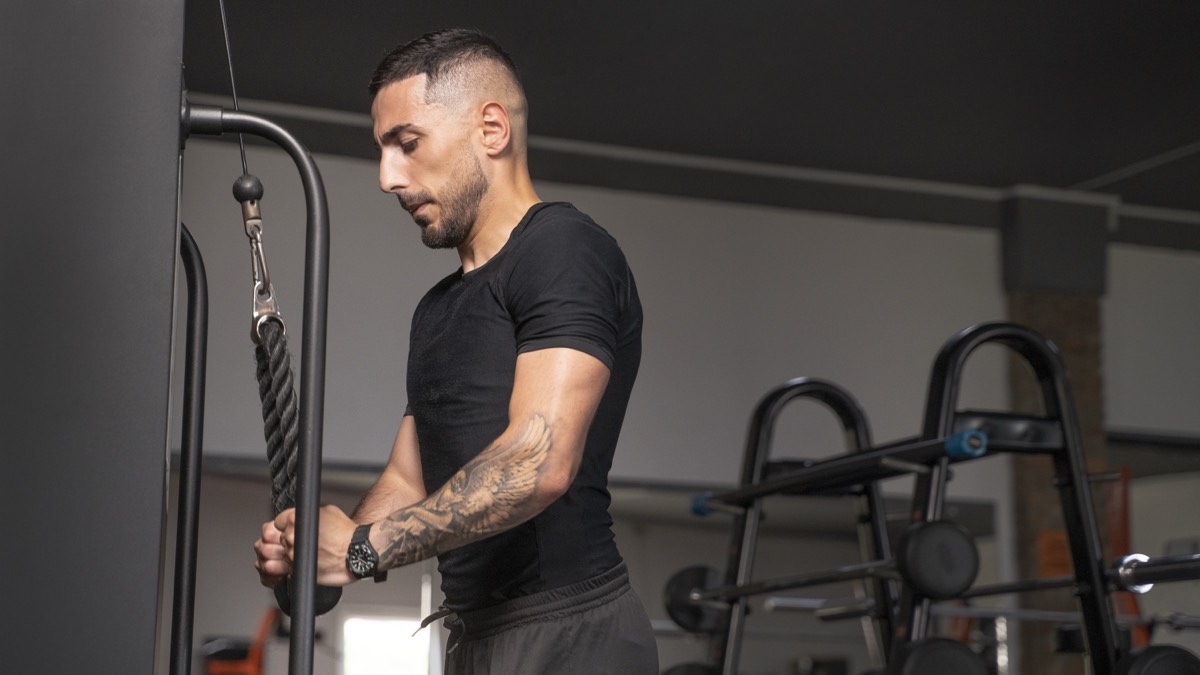
Compound vs Isolation Exercises: Which Should You Focus On?
Understand the difference between compound and isolation exercises and how to balance them in your training for optimal results.

The Mind-Muscle Connection: Train Smarter for Better Results
Discover how focusing on the muscle you're working can significantly improve your training effectiveness and muscle development.

Master the Squat: A Complete Guide to Proper Form
Learn the key technical points for safe, effective squatting that builds strength and muscle while protecting your joints.
Put This Knowledge Into Action
Download RoyalFit and get personalized workout plans that incorporate these training principles, tailored to your goals.
Download on App Store