Master the Squat: A Complete Guide to Proper Form
Published on December 25, 2025
Why Squats Matter
The squat is foundational. It builds leg strength, core stability, and functional movement patterns. But poor form limits results and risks injury.
Setting Up
Foot Position
- Feet shoulder-width apart or slightly wider
- Toes pointed out 15-30 degrees
- Weight distributed across entire foot
Bar Position (Barbell Squats)
High bar: Bar rests on upper traps
Low bar: Bar rests on rear delts
Both are valid. Experiment to find what feels best.
Grip
- Hands as close as mobility allows
- Create a shelf with your upper back
- Elbows pointed down and back
The Descent
Initiate the Movement
Break at hips and knees simultaneously. Imagine sitting back and down.
Track Your Knees
Knees should track over your toes, not cave inward. Push them out slightly.
Depth
Aim for thighs parallel to the floor or below if mobility allows. Deeper is generally better, but only within your range.
Maintain Position
- Chest up
- Neutral spine (no excessive rounding or arching)
- Core braced throughout
The Ascent
Drive Up
Push through your whole foot, not just toes or heels.
Lead with Chest
Keep your chest up as you rise. Do not let hips shoot up faster than shoulders.
Squeeze at Top
Fully extend hips and squeeze glutes at the top without hyperextending your back.
Common Mistakes
Knee Cave
Knees collapsing inward. Fix by cueing "spread the floor" with your feet.
Good Morning Squat
Hips rise faster than chest. Fix by keeping chest up and reducing weight.
Butt Wink
Pelvis tucking under at bottom. Usually a mobility issue. Fix by limiting depth temporarily and working on hip mobility.
Weight Shift
Shifting to one side. Film yourself and address imbalances.
Mobility Requirements
If you struggle with squat depth, work on:
- Ankle mobility
- Hip flexibility
- Thoracic spine extension
Building Your Squat
Start with bodyweight or goblet squats. Master form before adding load. Progress gradually and film yourself to check technique.
Frequently Asked Questions
How deep should I squat?
Should my knees go past my toes when squatting?
High bar or low bar squat—which is better?
Medical Disclaimer
This content is for informational purposes only. Always consult a healthcare professional before starting any new exercise program.
Related Articles
Compound vs Isolation Exercises: Which Should You Focus On?
Understand the difference between compound and isolation exercises and how to balance them in your training for optimal results.
The Mind-Muscle Connection: Train Smarter for Better Results
Discover how focusing on the muscle you're working can significantly improve your training effectiveness and muscle development.
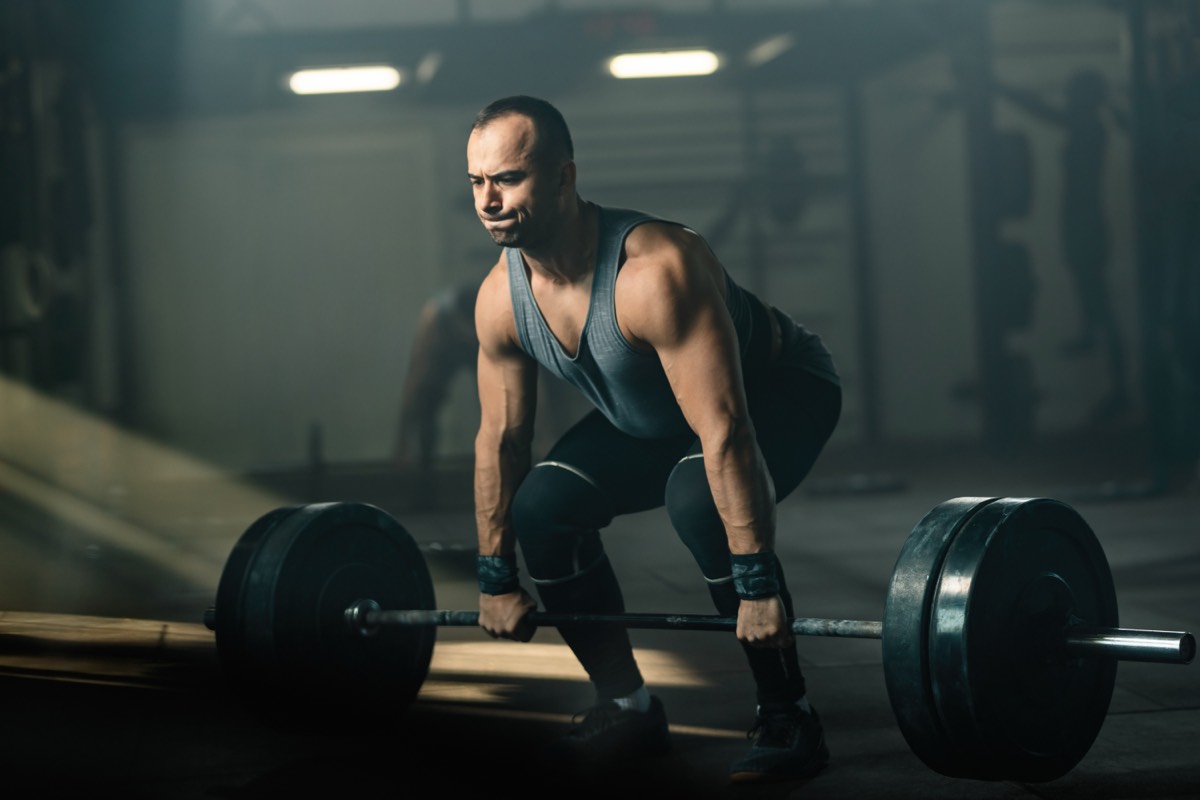
Master the Deadlift: From Setup to Lockout
The deadlift builds total body strength like no other exercise. Learn the technique that maximizes gains and minimizes risk.
Put This Knowledge Into Action
Download RoyalFit and get personalized workout plans that incorporate these training principles, tailored to your goals.
Download on App Store